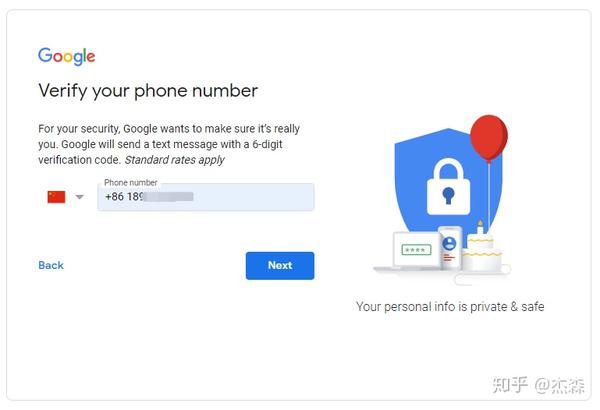



下面是一个简单的HTML登录注册界面设计的代码示例。请注意,这只是一个基本的示例,不包含任何后端逻辑或验证。在实际应用中,你需要添加适当的后端代码来处理用户输入并进行验证。此外,出于安全考虑,密码应该通过安全的方式进行存储和传输。

HTML代码:
<!DOCTYPE html>
<html>
<head>
    <title>登录注册页面</title>
    <style>
        body {
            font-family: Arial, sans-serif;
        }
        .container {
            width: 300px;
            margin: 0 auto;
            padding: 20px;
            border: 1px solid #ccc;
            border-radius: 5px;
        }
        h2 {
            text-align: center;
        }
        input[type=text], input[type=password] {
            width: 100%;
            padding: 12px 20px;
            margin: 8px 0;
            display: inline-block;
            border: 1px solid #ccc;
            box-sizing: border-box;
        }
        button {
            background-color: #4CAF50;
            border: none;
            color: white;
            padding: 14px 20px;
            text-align: center;
            text-decoration: none;
            display: inline-block;
            font-size: 16px;
            margin: 4px 2px;
            cursor: pointer;
        }
    </style>
</head>
<body>
    <div class="container">
        <h2>登录</h2>
        <form action="/login" method="post"> <!-- 这里应该指向你的后端登录处理逻辑 -->
            <input type="text" placeholder="用户名" name="username" required>
            <input type="password" placeholder="密码" name="password" required>
            <button type="submit">登录</button> <!-- 这里提交表单到后端 -->
        </form> <!-- 这里结束表单 -->
        <h2>注册</h2> <!-- 注册表单部分 -->
        <form action="/register" method="post"> <!-- 这里应该指向你的后端注册处理逻辑 -->
            <input type="text" placeholder="用户名" name="username" required> <!-- 注册表单的用户名输入框 -->
            <input type="password" placeholder="密码" name="password" required> <!-- 注册表单的密码输入框 -->
            <button type="submit">注册</button> <!-- 这里提交表单到后端进行注册 -->